
Transportation Security
Course Program



Course Description
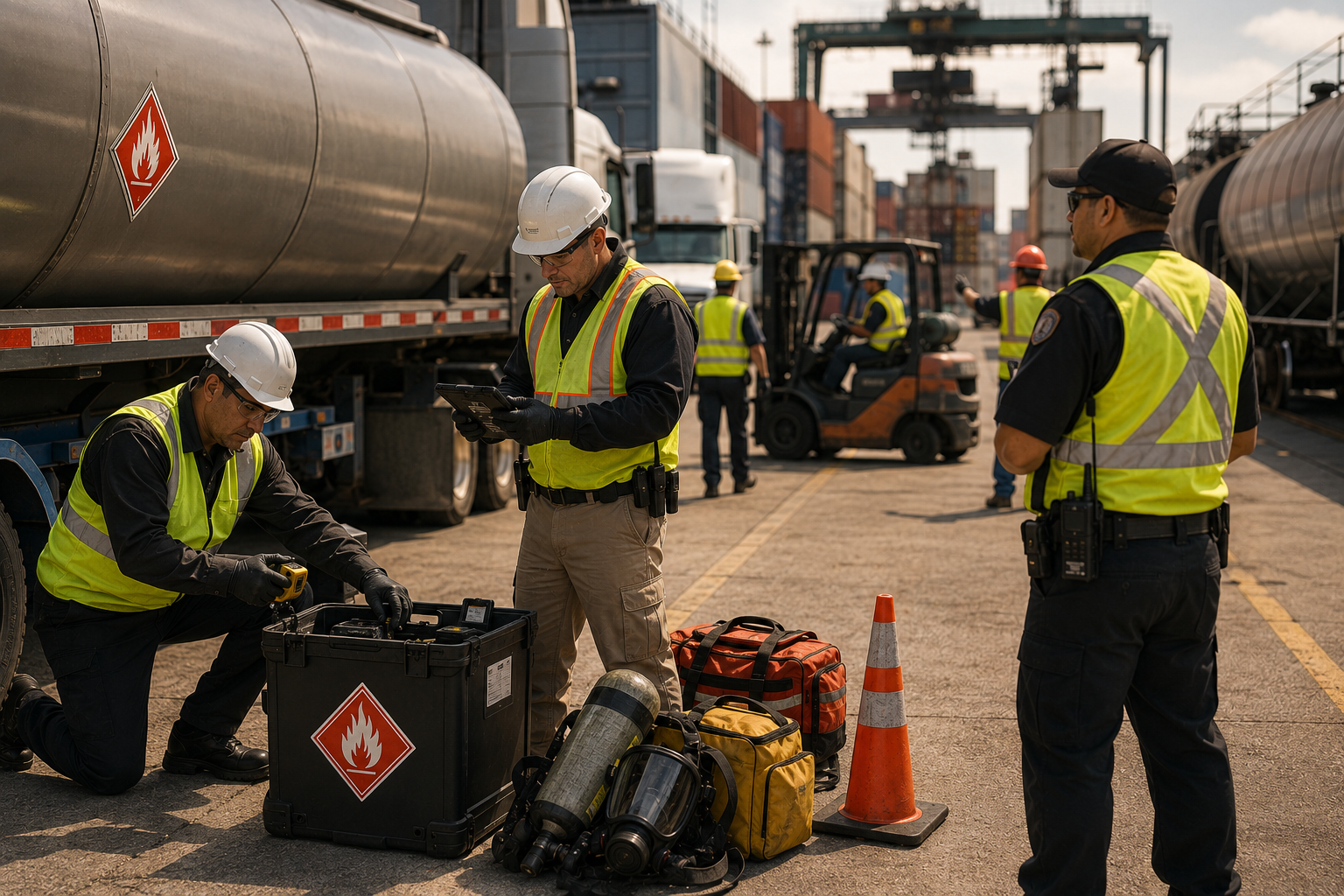
This Transportation Security training provides essential knowledge on safeguarding hazardous materials (hazmat) during transit. Participants will learn about regulatory requirements, security planning, workforce training, and real-world challenges to ensure the safe and secure transport of hazardous materials across all modes of transportation.
-
The Importance of Hazardous Materials Security:
Explains the risks associated with hazardous materials falling into the wrong hands and highlights the importance of security measures implemented to prevent misuse, terrorism, theft, and unauthorized access. -
Scope of Hazardous Materials Transportation:
Covers the transportation of hazardous materials across air, rail, roadway, and maritime systems, including common hazardous substances such as explosives, flammable liquids, gases, radioactive materials, lithium batteries, fertilizers, and medical oxygen. -
Hazmat Transportation Regulations and Compliance:
Reviews federal hazardous materials transportation regulations, including Title 49 CFR requirements, PHMSA security standards, and compliance measures for high-consequence hazardous material shipments. -
Hazardous Materials Security Planning:
Explains the development and maintenance of written, risk-based security plans addressing personnel security, unauthorized access prevention, shipment monitoring, employee responsibilities, and ongoing security training. -
Hazmat Driver Endorsements and Security Requirements:
Covers Commercial Driver’s License (CDL) hazardous materials endorsement requirements, Transportation Security Administration (TSA) background assessments, and security credentialing requirements for transportation personnel. -
Hazmat Workforce Training and Security Awareness:
Focuses on mandatory employee security awareness training, including identifying security risks, emergency response procedures, company security objectives, and strategies for reducing theft, sabotage, and transportation incidents. -
Real-World Hazardous Materials Security Challenges:
Reviews common security threats and transportation challenges such as theft risks, improper packaging incidents, and the importance of coordination among federal, state, local, and private-sector agencies during emergency response operations. -
Passenger and Public Hazardous Materials Safety:
Explains FAA and TSA restrictions governing hazardous materials in passenger transportation, including prohibited items, packaging requirements, and limited exceptions for approved medical and low-risk materials.
Certifications Obtained Upon Completion
Certificate of Completion for Transportation Security Training
Regulatory Citations
Title 49 CFR (Code of Federal Regulations) for hazmat transport safety and securityPHMSA regulations, including HM-232F for risk-based security plansTSA requirements for Hazmat Endorsement (HME) and background checks
Additional Notes
This course is ideal for hazmat drivers, logistics professionals, and employees involved in the transport of hazardous materials.Emphasis is placed on compliance with federal regulations, proactive security planning, and fostering a culture of safety and vigilance.