
Preservation and Shipping H5N1
Course Program



Course Description
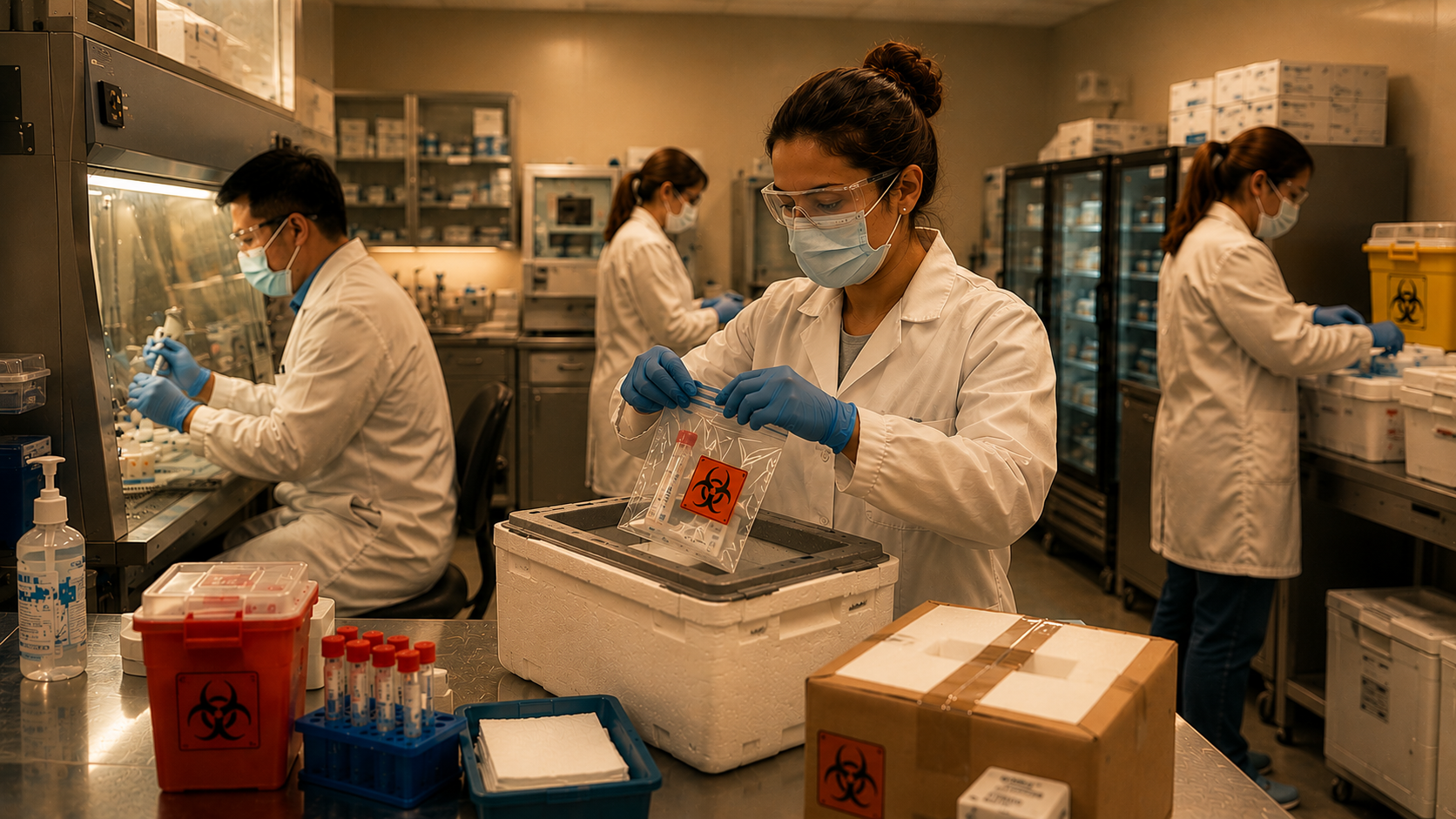
This course provides critical training on the safe preservation, packaging, and shipping of H5N1 specimens to ensure biosafety and specimen integrity. Participants will learn best practices for handling this high-risk pathogen, regulatory requirements, and biosecurity measures to prevent contamination and ensure accurate diagnostic testing.
- Explains the fundamentals of H5N1 avian influenza, including its impact on birds, cattle, and humans, the risks of cross-species transmission, and the importance of strict biosafety and biosecurity practices.
- Covers recommended specimen collection procedures for H5N1 testing, including the use of nasopharyngeal and oropharyngeal swabs, approved transport media, and proper collection techniques to maintain specimen integrity.
- Reviews infection control precautions for handling suspected H5N1 cases, including airborne, contact, and standard protective measures using N95 respirators, gloves, gowns, eye protection, and other personal protective equipment (PPE).
- Explains proper specimen packaging, labeling, and transport procedures including patient identification requirements, leak-proof containment, documentation standards, and the use of approved submission forms.
- Covers shipping and storage requirements designed to preserve specimen viability, including frozen transport conditions, dry ice handling, prevention of freeze-thaw cycles, and coordination with receiving laboratories.
- Reviews regulatory requirements and authorization procedures related to H5N1 specimen handling, including coordination with public health agencies, CDC guidance, and transportation compliance for biological materials.
- Focuses on enhanced biosecurity measures for farms, laboratories, and healthcare settings including worker protection practices, contamination prevention, waste disposal procedures, and environmental safety controls.
- Highlights recent research findings related to H5N1 virus survival, surface contamination risks, pasteurization effectiveness, and evolving public health recommendations for disease prevention and control.
- Reviews real-world response efforts involving H5N1 outbreaks, including coordinated actions by federal agencies, testing protocols, movement restrictions, and biosecurity initiatives implemented during livestock and public health incidents.
Certifications Obtained Upon Completion
Certificate of Completion in H5N1 Specimen Preservation and Shipping
Regulatory Citations
U.S. Department of Transportation (DOT) Regulations for Biological SubstancesCDC Guidelines for Specimen Submission and HandlingUSDA and CDC Biosecurity Recommendations for H5N1
Additional Notes
This course is ideal for healthcare professionals, laboratory staff, and agricultural workers involved in handling and shipping H5N1 specimens.Emphasis is placed on biosafety, regulatory compliance, and maintaining specimen integrity for accurate diagnostic testing.