
Psychological First Aid
Course Program



Course Description
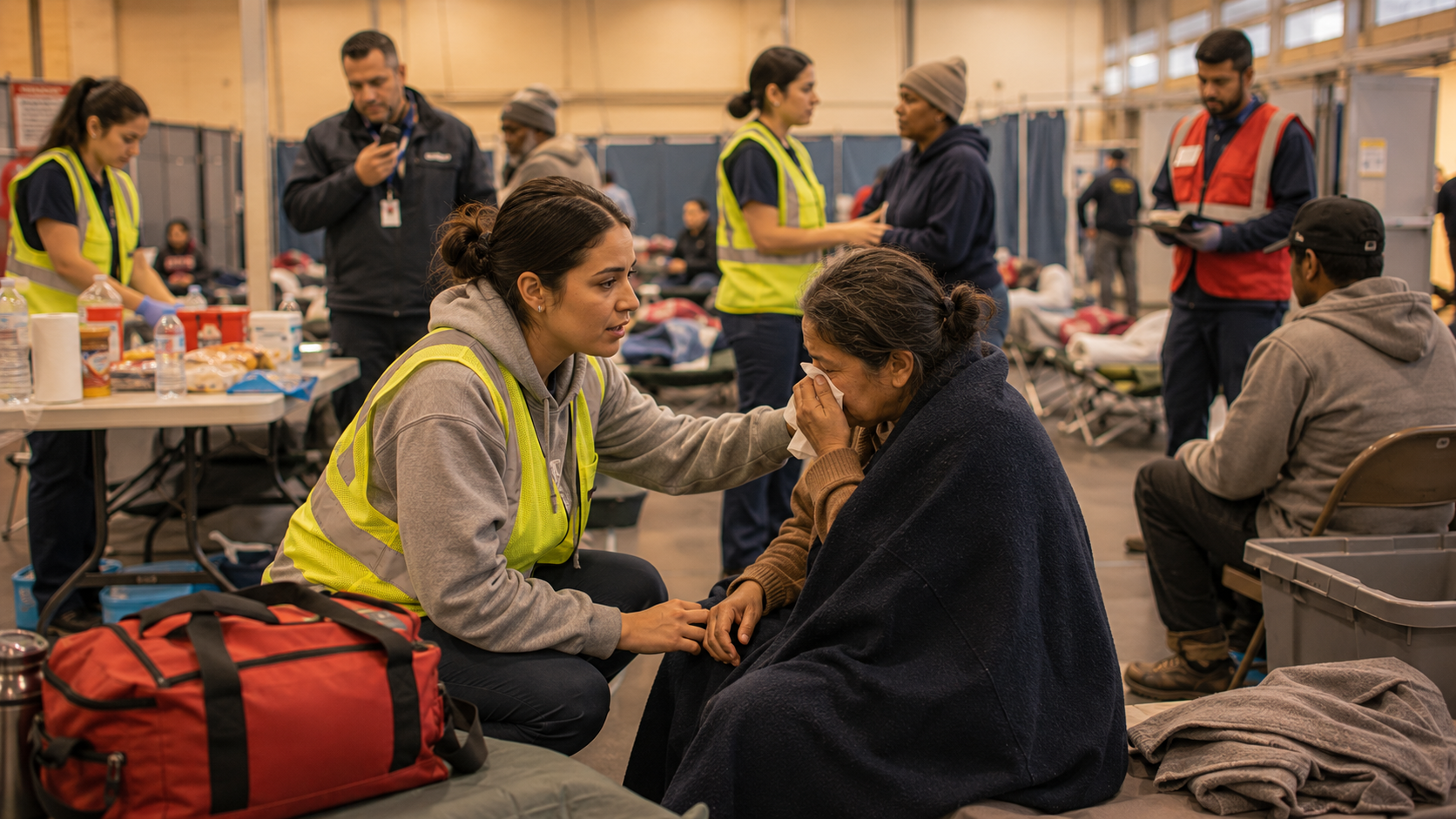
This course introduces Psychological First Aid (PFA), a compassionate and practical approach to supporting individuals in crisis. Participants will learn how to provide immediate psychosocial support, promote safety and hope, and connect people to resources for long-term recovery.
- Explains the purpose of Psychological First Aid (PFA) as an early form of psychosocial support designed to help individuals cope during and after crisis situations while promoting safety, stability, and emotional support.
- Covers how PFA differs from professional counseling and clinical therapy, emphasizing that it is not psychological debriefing, forced discussion of trauma, or a substitute for mental health treatment.
- Reviews the wide range of individuals who may provide Psychological First Aid, including family members, community leaders, first responders, educators, healthcare workers, and volunteers supporting people affected by emergencies and disasters.
- Explains when and where PFA is commonly used, including disaster areas, shelters, hospitals, schools, workplaces, and other environments following emergencies, violence, accidents, or public health crises.
- Covers the core PFA action principles of Look, Listen, and Link by identifying individuals in need, offering compassionate support, and connecting people with information, services, and social resources.
- Focuses on practical Psychological First Aid techniques such as ensuring physical safety, addressing basic needs, promoting calmness, encouraging self-help strategies, and strengthening community support systems.
- Reviews considerations for supporting children, older adults, individuals with disabilities, and people with pre-existing physical or mental health conditions during crisis situations.
- Explains the importance of self-care, resilience, and stress management for individuals providing Psychological First Aid in order to reduce burnout and maintain personal well-being.
- Highlights the evidence-based benefits of Psychological First Aid, including fostering hope, social connection, emotional stabilization, and community resilience while reducing long-term mental health risks.
Certifications Obtained Upon Completion
Certificate of Completion in Psychological First Aid Training
Regulatory Citations
WHO Psychological First Aid GuidelinesCDC and APA Recommendations for Crisis Response
Additional Notes
This course is ideal for first responders, educators, healthcare workers, and community volunteers.Emphasis is placed on practical application, compassionate support, and fostering long-term recovery for individuals in crisis.