Marine Chemical Spill
Course Program



Course Description
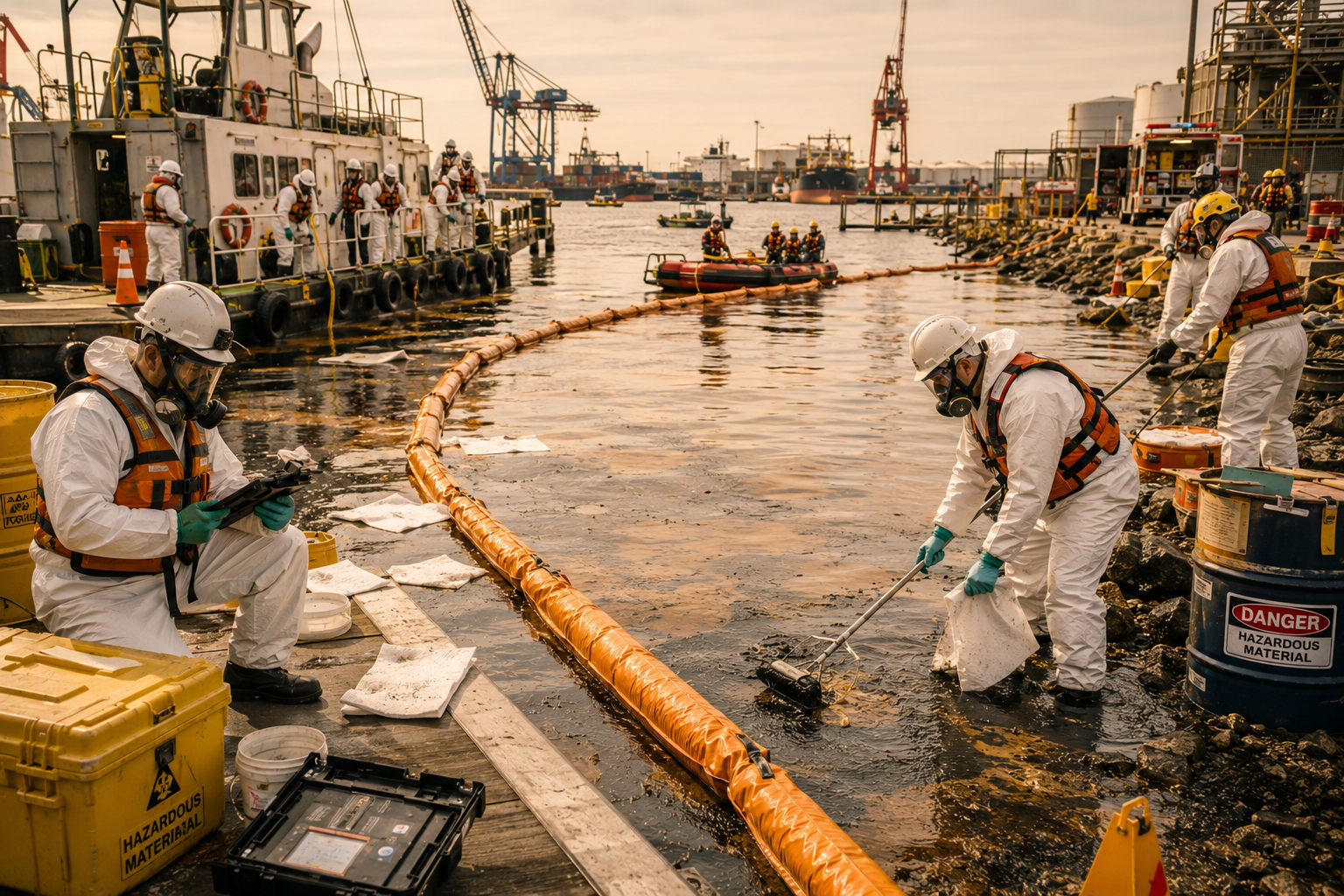
This course provides critical training on the risks, impacts, and response strategies for chemical spills in marine environments. Participants will learn about chemical pollution, its effects on marine ecosystems, and global safety measures to prevent and mitigate spills.
- Explains the growing risks associated with marine chemical pollution, including increased maritime transport of hazardous substances and the environmental and economic impacts of chemical spills on oceans, fisheries, and coastal ecosystems.
- Covers the fundamentals of marine chemistry including seawater salinity, pH balance, dissolved oxygen, carbonate buffering, and the environmental factors that influence pollutant movement and contamination patterns.
- Reviews major marine chemical contaminants including heavy metals, persistent organic pollutants (POPs), industrial chemicals, and microplastics that threaten marine ecosystems and public health.
- Explains the effects of bioaccumulation and long-term chemical exposure on marine life, food chains, biodiversity, and human health while addressing the challenges of detecting and responding to invisible pollution threats.
- Highlights real-world examples of marine contamination incidents and ecological damage caused by chemical pollution in sensitive marine environments around the world.
- Covers international safety standards and response frameworks including the IMO International Bulk Chemical (IBC) Code, emergency response guidance systems, and spill preparedness practices for maritime operations.
- Focuses on the importance of responder training, proper chemical storage, spill prevention planning, and coordinated emergency response procedures for maritime workers and environmental protection agencies.
- Reviews ongoing challenges and emerging innovations in marine pollution prevention including improved monitoring systems, spill response technologies, green chemistry initiatives, and international environmental cooperation efforts.
- Emphasizes the importance of public awareness, environmental stewardship, and sustainable practices in protecting ocean health, marine biodiversity, and coastal communities from chemical pollution risks.
Certifications Obtained Upon Completion
Certificate of Completion in Marine Chemical Spill Awareness and Response
Regulatory Citations
IMO International Code for Ships Carrying Dangerous Chemicals (IBC Code)MARPOL Annex II (Regulations for the Control of Pollution by Noxious Liquid Substances)OSHA 29 CFR 1910.120 (HAZWOPER - Emergency Response)
Additional Notes
This course is ideal for maritime workers, emergency responders, and environmental protection teams involved in chemical transport and spill response.Emphasis is placed on understanding chemical risks, global safety standards, and effective response strategies to protect marine ecosystems.