Aerial Lift Safety
Course Program



Course Description
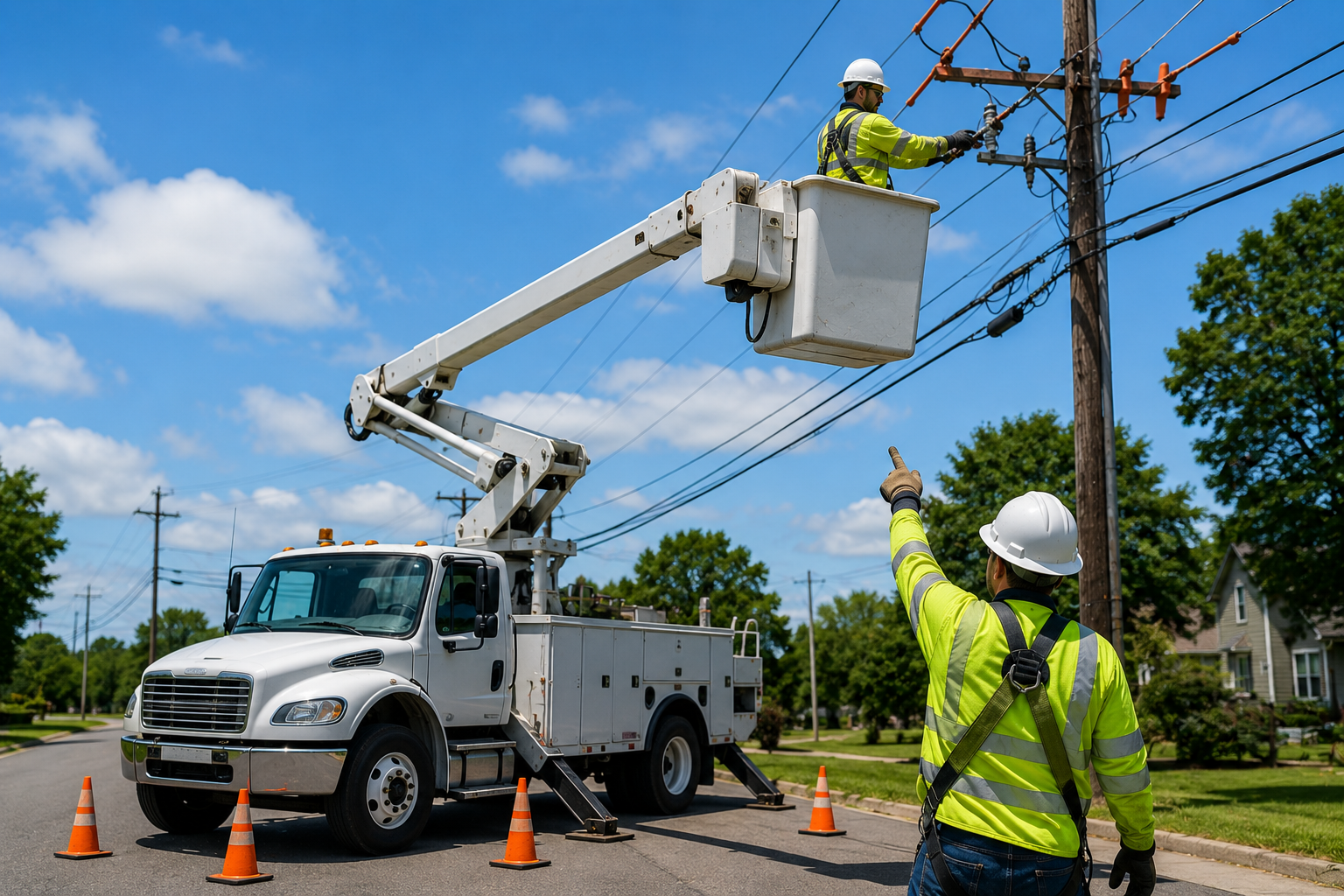
This Aerial Lift Safety training provides essential knowledge and skills for the safe operation of vehicle-mounted, boom-supported aerial platforms such as bucket trucks and cherry pickers. Participants will learn to prevent common hazards like falls, electrocutions, and tip-overs while ensuring compliance with OSHA standards.
-
Introduction to Aerial Lift Safety
- Understand the purpose and applications of aerial lifts in workplace operations.
- Identify common types of aerial lifts, including bucket trucks, boom lifts, and scissor lifts.
- Recognize operator responsibilities for safe aerial lift operation and hazard prevention.
-
Hazard Recognition and Risk Awareness
- Identify common hazards associated with aerial lift operations.
- Recognize risks involving falls, tip-overs, structural failures, electrocution, and struck-by incidents.
- Apply hazard assessment techniques before and during aerial lift use.
-
Work Area Assessment and Setup
- Evaluate worksite conditions prior to aerial lift operation.
- Understand proper positioning, setup, and stabilization requirements.
- Identify environmental hazards such as uneven terrain, overhead obstructions, weather conditions, and nearby traffic.
-
Pre-Operation Inspections
- Conduct pre-use inspections to verify equipment safety and operational readiness.
- Recognize signs of mechanical, structural, hydraulic, and electrical defects.
- Identify conditions that require equipment removal from service until repairs are completed.
-
Fall Protection and Personal Protective Equipment
- Understand fall protection requirements for aerial lift operations.
- Select, inspect, and properly use personal fall arrest systems and required PPE.
- Recognize how fall protection systems help reduce injury risks while working at elevation.
-
Electrical Safety and Clearance Requirements
- Identify hazards associated with overhead power lines and energized equipment.
- Understand minimum approach distances and safe clearance requirements.
- Apply work practices that reduce the risk of electrical contact and electrocution.
-
Boom Operation and Equipment Controls
- Understand the functions and safe operation of aerial lift controls and boom systems.
- Recognize equipment limitations related to capacity, reach, and stability.
- Apply safe operating techniques when raising, lowering, positioning, and maneuvering the platform.
-
Emergency Procedures and Rescue Planning
- Understand procedures for responding to aerial lift emergencies and equipment malfunctions.
- Recognize the importance of rescue planning and emergency communication.
- Apply appropriate actions during incidents involving falls, mechanical failures, or medical emergencies.
-
Driving and Maneuvering Bucket Trucks
- Understand safe driving practices for bucket trucks and mobile aerial equipment.
- Recognize hazards associated with backing, limited visibility, roadway travel, and off-road operation.
- Apply safe maneuvering techniques, including the use of spotters and situational awareness practices.
-
Training, Compliance, and Safe Work Practices
- Understand operator training requirements and employer responsibilities.
- Promote compliance through inspections, hazard awareness, and proper operating procedures.
- Support a culture of safety through continuous improvement, communication, and proactive risk management.
Certifications Obtained Upon Completion
Certificate of Completion for Aerial Lift Safety Training
Regulatory Citations
OSHA Aerial Lift Standards (29 CFR 1910.67)OSHA Fall Protection Standards (29 CFR 1926 Subpart M)ANSI A92.2 Standards for Vehicle-Mounted Elevating and Rotating Aerial Devices
Additional Notes
This course is ideal for workers and employers who use aerial lifts in construction, utility work, and other above-ground job sites.Emphasis is placed on practical training, hazard prevention, and compliance with OSHA regulations to ensure a safe working environment.